My Maui Jims Have New Nose Pads: NSP252
The nose pads on my decades-old glass-lens Maui Jims perished and the model number had worn off the frame. Julie and Scott at Maui Jim customer services worked it out anyway: NSP252, 14.3 x 7 mm. Buy it for life.
These were my first pair of Maui Jims and they are still my favourite. I genuinely cannot tell you when I bought them. Long enough ago that the answer is “a different decade”, and long enough that the model number has literally worn off the frame.
Here they are on my face in the Iranian desert in August 2011, driving the Mongol Rally with Jamie, so they are at least fifteen years old:

Photo: “Kai Blocking a Camel” by Jamie Kitson, August 2011, used with permission.
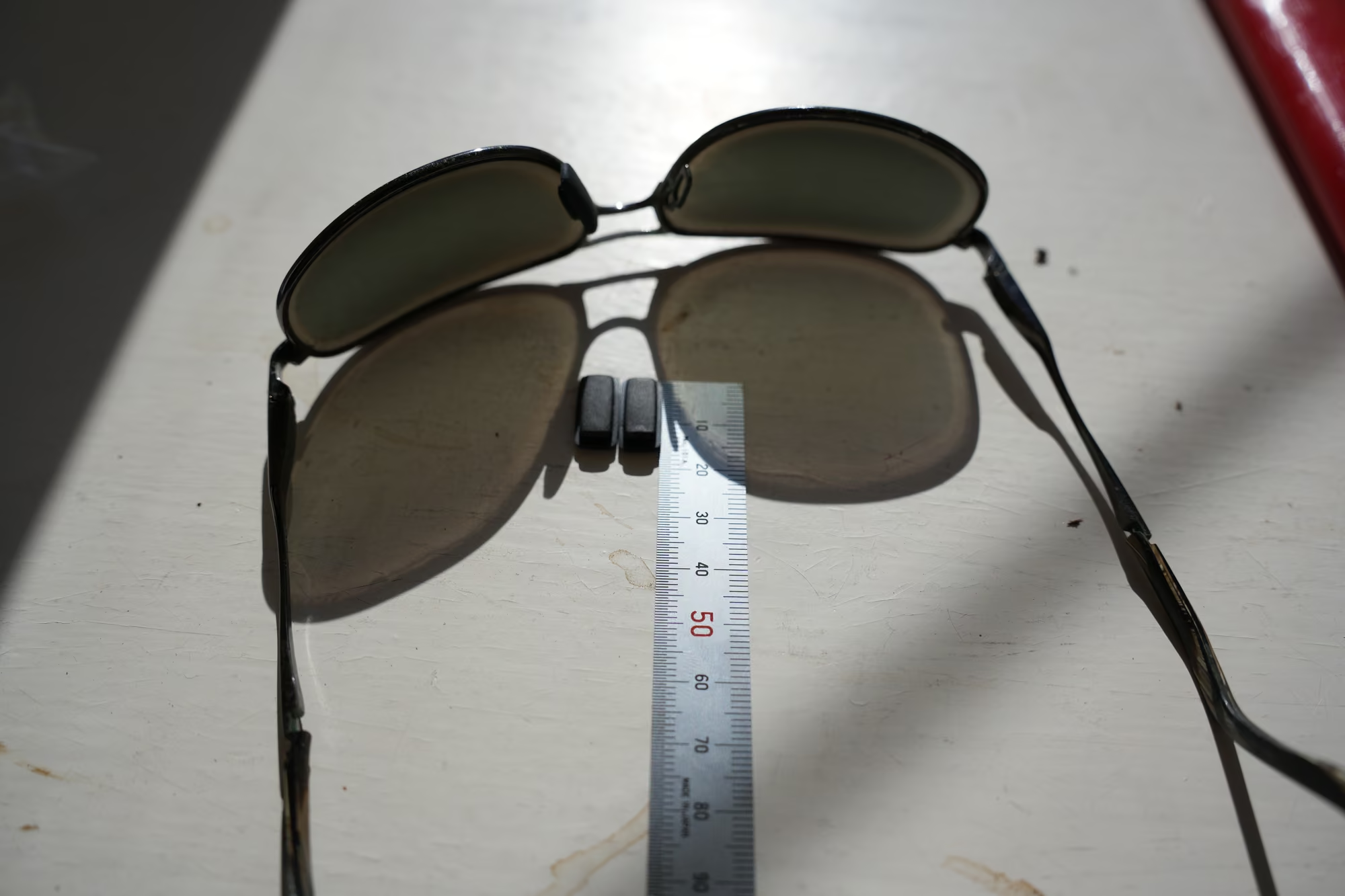
The reason I’ve kept them this long is the glass. Maui Jim’s SuperThin Glass is heavier than plastic and it will shatter if you’re unlucky, but it is optically better than anything else you can put in front of your eyes and it does not scratch the way polycarbonate does. Years of being shoved into pockets and dropped on beaches, and the lenses still look through clean.
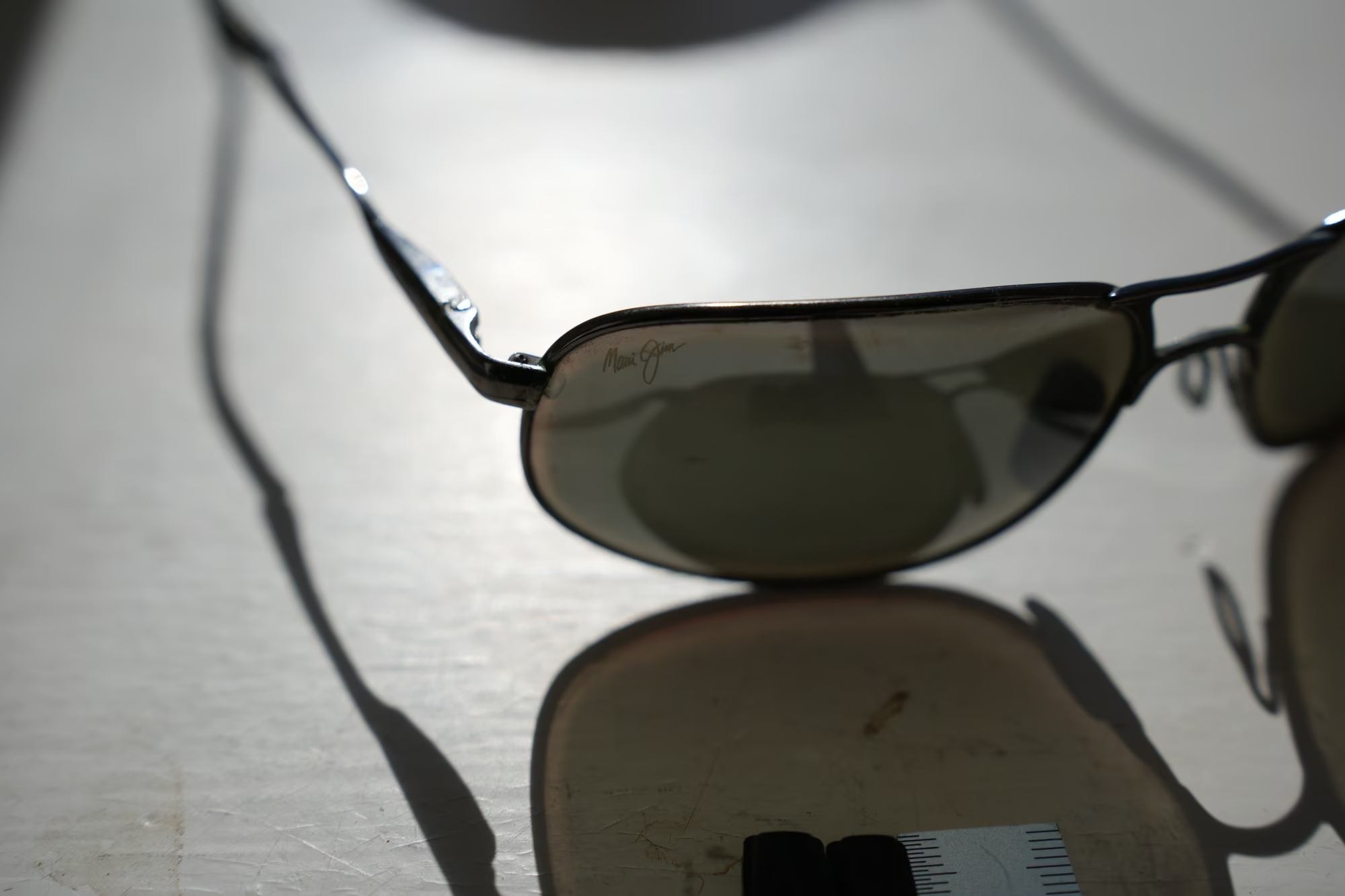
That etched Maui Jim script is now the only identifying mark left on the whole pair. The model number and colour code are printed inside a temple, and mine has been polished away by however many thousand times I’ve folded them up.
The bit that didn’t last
The rubber nose pads perished. One was simply gone; the survivor hard and crazed. Not the frame, not the hinges, not the lenses — the two cheapest components on the whole product.
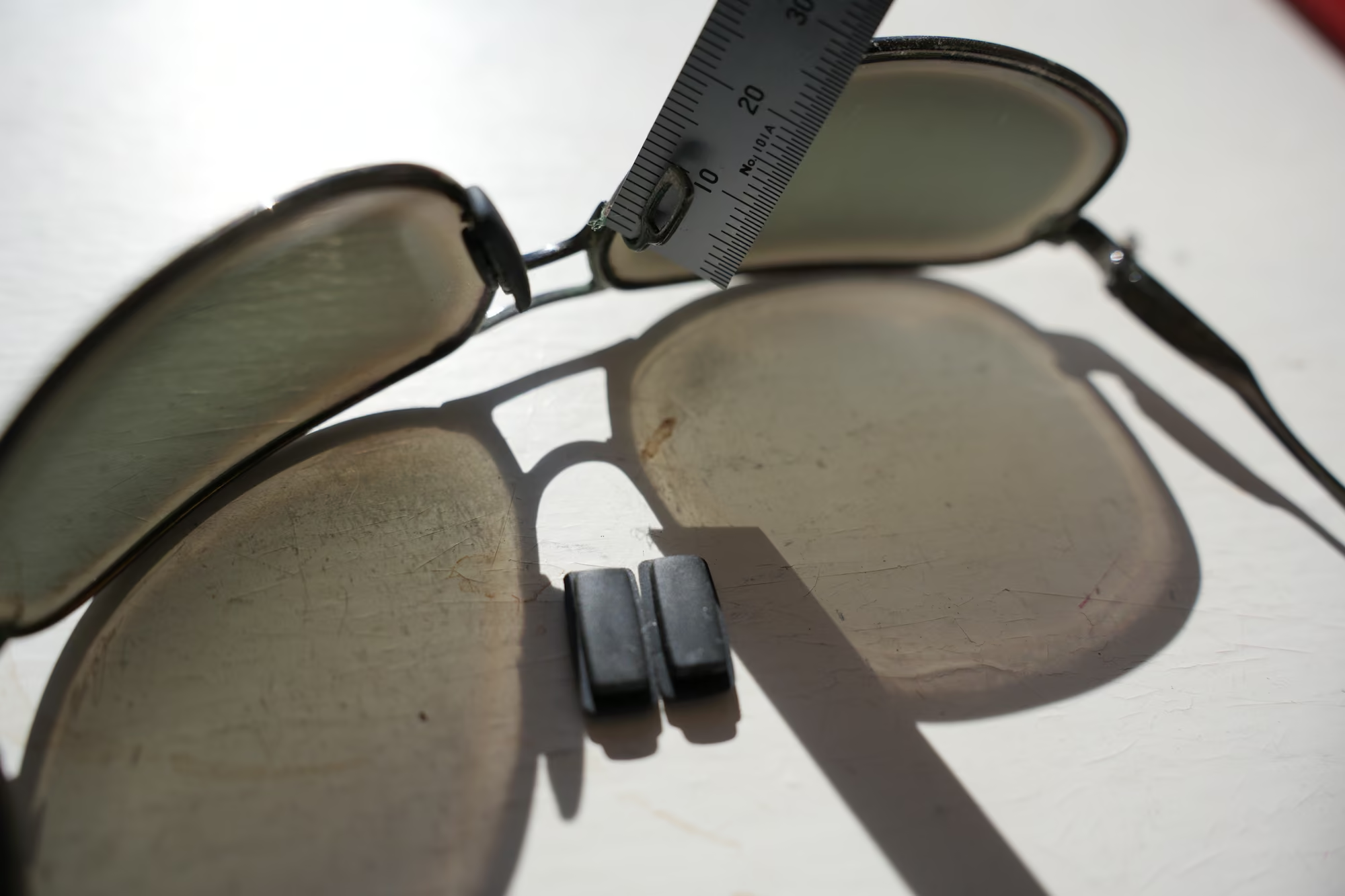
Maui Jim will post you nose pads free of charge, but the support flow runs on model numbers and named styles — Ho’okipa, Makaha, Banyans — and mine isn’t a style anyone can name. The first pair they sent were the chunky rectangular sort, around 20 mm with a deep slot. My frame doesn’t take that.
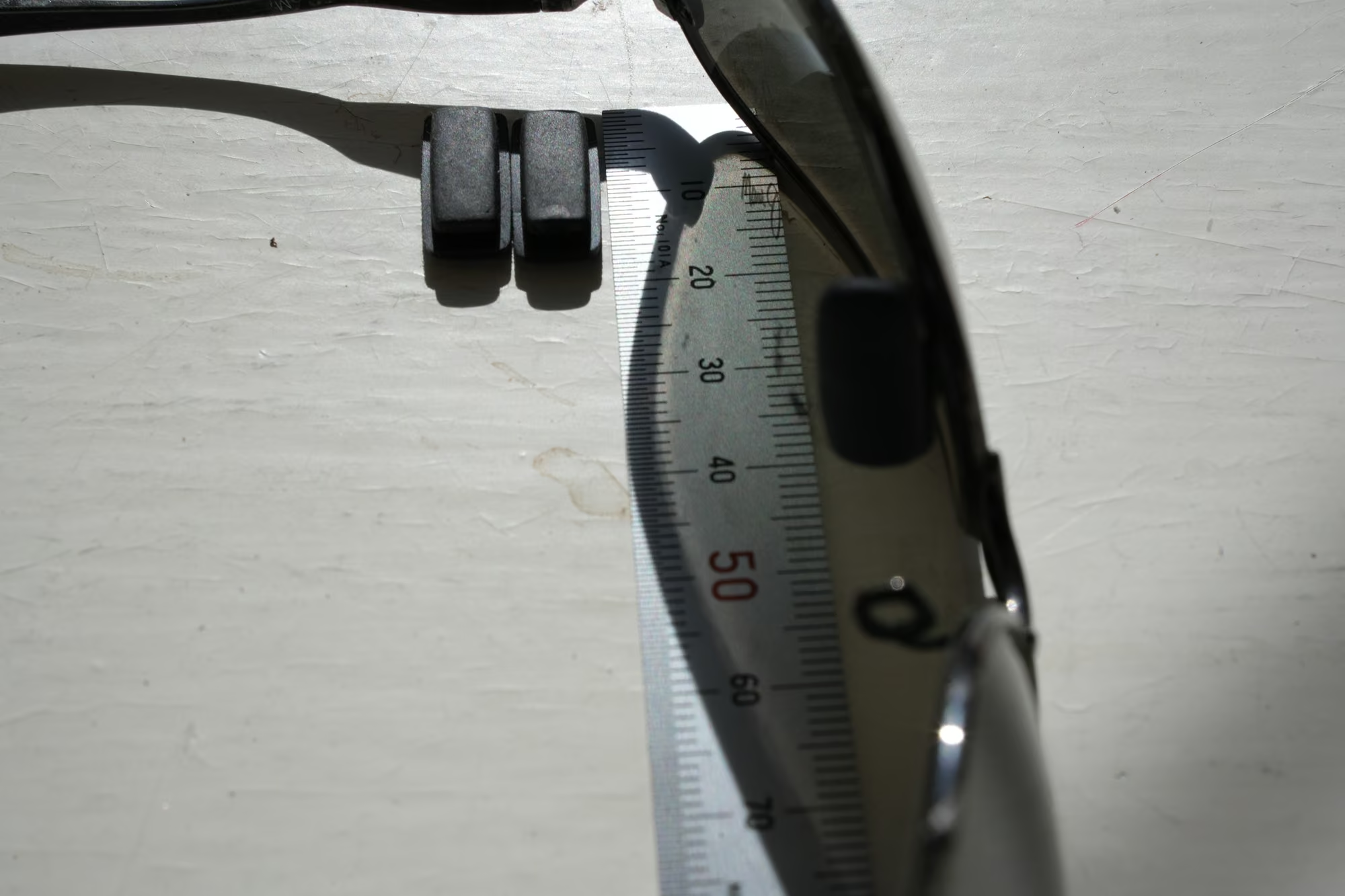
Julie and Scott worked it out
So I sent photos, and Julie and Scott in Maui Jim customer services identified the part from the shape of a pad arm on a frame nobody could name: NSP252, “MJM Nose pads 14.3*7 black”, made in Italy. They put them in the post, free, no receipt, no proof of purchase, no idea how old the sunglasses were. They snapped straight on.
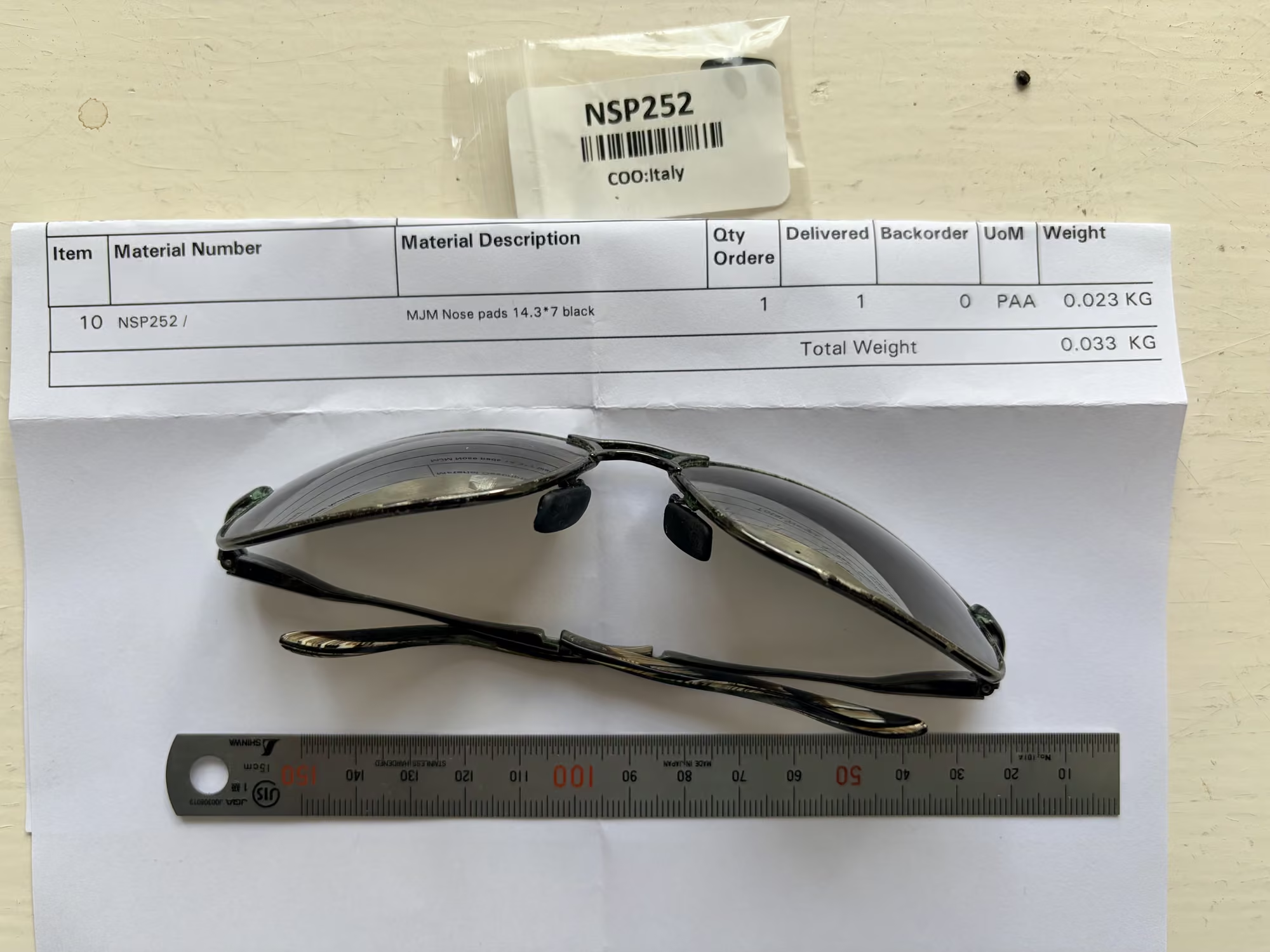
Julie, Scott — thank you. That’s two envelopes and real effort spent on a customer who bought something fifteen years ago and couldn’t even tell you what it was.
If you want sunglasses that are buy-it-for-life, buy Maui Jim. Glass lenses that outlast everything else on your face, and a company that will still fix them for free long after any warranty has run out. Nobody else comes close.